

Keep money moving inside your ecosystem
Design closed-loop models where value moves between users and accounts, using external rails only when it is genuinely needed.







Why closed-loop payments matter
Platforms often create value inside their own ecosystem, then rely on external payment rails every time that value needs to move. A seller gets paid, then withdraws funds. A creator earns income, then waits for a payout. A customer receives value, then needs another payment method to use it elsewhere.
Every external payout creates cost, delay and operational effort, and it can move the user away from the platform at the exact point where continued engagement matters. A closed-loop model lets value move internally between eligible users or accounts, keeps balances visible, and reserves external rails for the moments money genuinely needs to enter or leave the ecosystem.
What a closed-loop model supports
Built for ecosystems where multiple users, accounts or participants interact: marketplaces, creator platforms, loyalty ecosystems, network businesses and B2B2C products.

User-to-user transfers
Move value between eligible accounts inside the platform without treating every movement as an external payment.
Seller and creator balances
Hold earnings inside the ecosystem so sellers, creators and affiliates can receive, hold and use funds without waiting on external rails.
Marketplace settlement flows
Manage buyer activity, seller balances and platform fees within one recorded, reconciled structure.
Balance and flow visibility
Track where value is created, how users move funds, which balances stay active and when users cash out.
Purposeful external payouts
Use external rails deliberately for money entering or leaving the ecosystem, cutting avoidable cost and manual operations.
Linked card spending
Where approved, connect internal value to a physical or virtual card so eligible users can spend outside the ecosystem.
Card IssuingWhere closed-loop thrives
Closed-loop payments are built for ecosystems where users interact, transact or earn value inside the same environment.


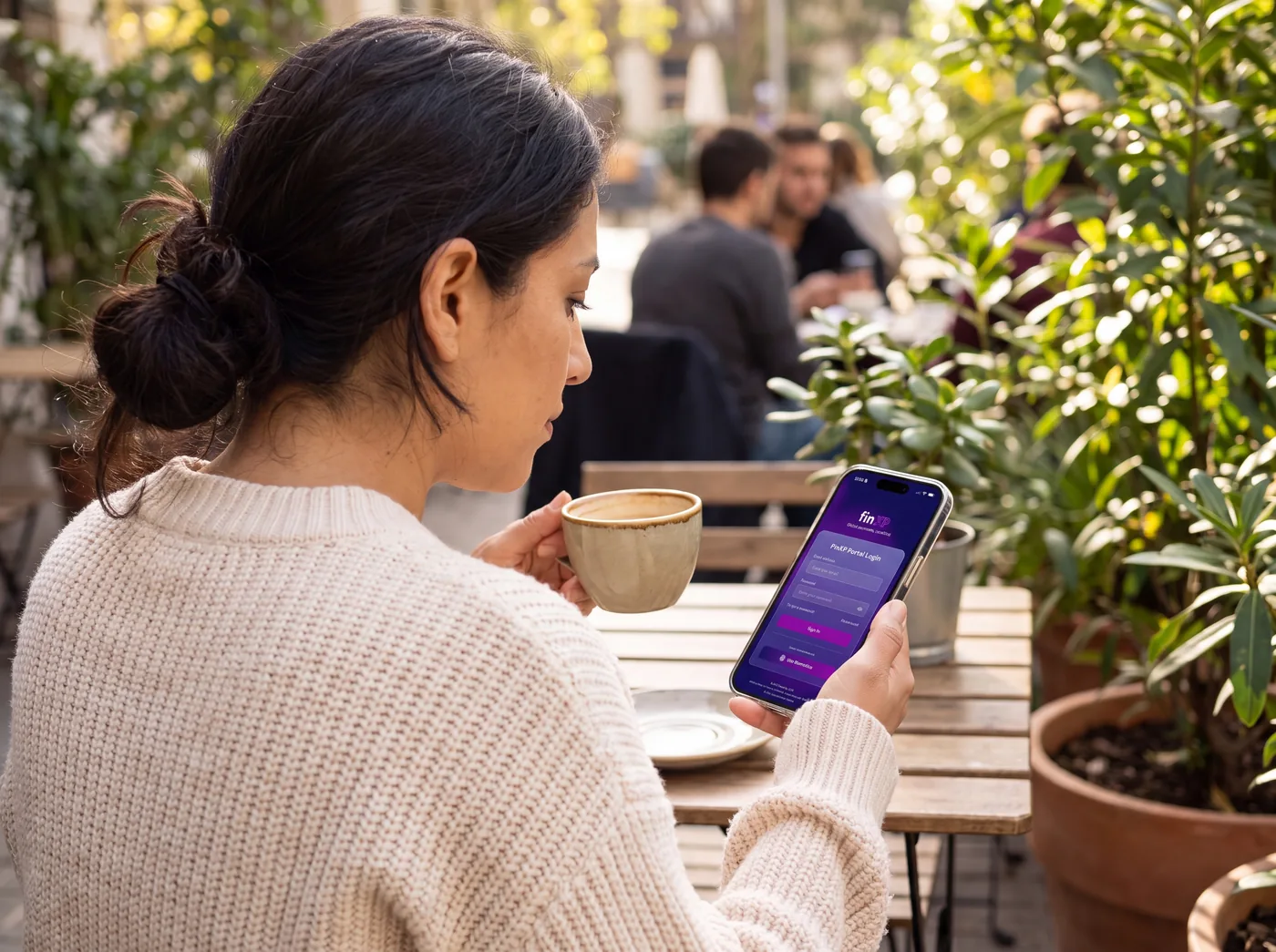
How a closed-loop model comes together
FinXP helps platforms work through the model before launch, so it is commercially useful, technically workable and operationally controlled.
-
01
Define the ecosystem
Who can hold value, how funds enter the platform, which users and accounts are eligible and what the account structure looks like.
-
02
Map the internal flows
Transfer rules, balance visibility, marketplace settlement logic and platform fees, so every internal movement is recorded and reconciled.
-
03
Build the control framework
Safeguarding treatment, AML and sanctions controls, fraud monitoring, disputes and customer support, agreed before anything goes live.
-
04
Launch with purposeful exits
External payout routes for money genuinely leaving the ecosystem, plus an optional linked card programme where the model is approved.
Designed around control
Closed-loop payments should not mean informal balances or unclear money movement. A responsible model defines who can hold value, how funds enter the ecosystem, how internal transfers are recorded, when funds can leave, what controls apply and how balances are reconciled.
FinXP helps platforms work through these requirements before launch, so the model is commercially useful, technically workable and operationally controlled.
That work spans account structure, user eligibility and funding flows; transfer rules and balance visibility; safeguarding treatment, AML and sanctions controls; fraud monitoring, disputes and customer support; and external payout routes with optional card programme design.
The infrastructure behind the loop
When money does need to enter or leave your ecosystem, it moves on rails that already carry serious European volume.
Payment volume handled across FinXP infrastructure every year.
Currency coverage for value entering and leaving the loop.
Operating as a regulated European payments provider since 2014.
Trusted by Europe’s fastest-growing platforms
As the CEO of an EU based Acquirer, it is always comforting to work with partners that are also regulated within the EU. I am proud to have FinXP as one of our trusted partners and look forward to continue building on the existing relationship that is based on mutual trust and professionalism.
 Steve Grech
CEO, acquiring.com
Steve Grech
CEO, acquiring.com
From the start of our partnership in 2018, we found FinXP very efficient and pragmatic. Their professionalism and knowledge of the payment ecosystem has really helped us elevate our services. Their team offer very good advice and their processes are smooth and diligent. I can definitely recommend their services.
 Mickael Marceau
Head of Payments, Kindred Group plc
Mickael Marceau
Head of Payments, Kindred Group plc
The Megalon Group AG has expressed great satisfaction with the collaboration, adaptability, and high service quality. FinXP has demonstrated remarkable professionalism. Brainstorming solutions and possibilities with them has been a pleasure!
 Andreas Meyer
Board of Directors, Megalon Group
Andreas Meyer
Board of Directors, Megalon Group
Closed-loop payments, answered
It is a movement of value inside a defined ecosystem, recorded internally rather than sent through external payment rails each time. Money still enters and leaves the platform through regulated external payments, but internal movements between eligible accounts stay inside the loop.
To reduce friction, improve engagement, cut unnecessary transaction costs and keep better control over user balances and settlement logic. Every payout is also a product moment: closed-loop payments keep value usable inside the ecosystem instead of pushing users away at the point of payment.
Where appropriate, and subject to model approval, internal value can be connected to card issuing, allowing eligible users to spend outside the ecosystem through a linked physical or virtual card. The card model must be properly designed, with programme approval, funding logic, cardholder controls, scheme compliance and fraud monitoring in place.
Build a payment model
that keeps users closer
Your payment infrastructure should support the way your ecosystem works. Speak to FinXP about a closed-loop model for your marketplace, platform, loyalty ecosystem, creator network or B2B2C product.